

Millets are traditional “छोटे अनाज” (small grains) that have powered Indian diets for centuries.
In this comprehensive guide on millet in Hindi, we’ll cover the names of common millets, their benefits, nutrition, and how to use them daily.
Millet Meaning in Hindi
Millet refers to nutritious small grains, translated in Hindi as बाजरा or broadly called छोटे अनाज. These grains are gluten-free, fiber-rich, and ideal for healthy eating.
Millet List & Their Hindi Names
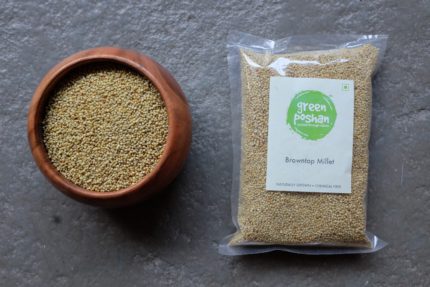
- Browntop Millet – अंडुआ / हरि कंगनी / मकरा
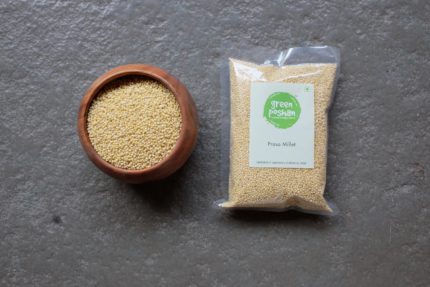
- Proso Millet (Pani Varagu) – पानी वरागु / बररी
- Finger Millet – रागी / केझ्वरगु / नाचनी
- Pearl Millet – बाजरा / कंबु / बाजरी
- Foxtail Millet – कंगनी / दिनै / थिनै
- Barnyard Millet – सामवा / जंगोरा
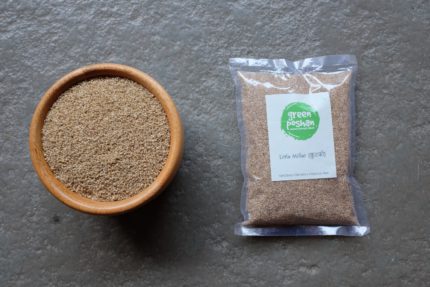
- Little Millet – कुटकी / सैमै / शवण
- Kodo Millet – कोदो / वरागु
Types of Millet in Hindi
| English Name | Hindi Name(s) |
| Browntop Millet | अंडुआ, हरि कंगनी, मकरा |
| Proso Millet | पानी वरागु, बररी |
| Finger Millet | रागी, केझ्वरगु, नाचनी |
| Pearl Millet | बाजरा, कंबु, बाजरी |
| Foxtail Millet | कंगनी, दिनै, थिनै |
| Barnyard Millet | सामवा, जंगोरा |
| Little Millet | कुटकी, सैमै, शवण |
| Kodo Millet | कोदो, वरागु |
Spotlight: Foxtail Millet in Hindi – कंगनी / दिनै
Best known as “कंगनी” in Hindi, foxtail millet is gluten-free, high in protein and fiber, and commonly used in upma, dosa, and porridge.
It’s quick to cook and great for diabetic and weight-management diets.
Detailed Profile: Browntop Millet (अंडुआ / हरि कंगनी)
- Scientific Name: Brachiaria ramosa, also Urochloa ramosa
- Nutrition (per 100 g):
- Energy: 338 kcal; Carbs: 71 g; Protein: 11.5 g; Fiber: 12.5 g; Fat: 1.9 g
- Minerals: Calcium 28 mg, Iron 8.9 mg, Magnesium 94.5 mg, Phosphorus 276 mg, Zinc 2.5 mg
- Energy: 338 kcal; Carbs: 71 g; Protein: 11.5 g; Fiber: 12.5 g; Fat: 1.9 g
- Health Benefits:
- Diabetes friendly: Low-GI grain that controls blood sugar
- Weight management: High fiber keeps you full longer
- Heart health: Fiber and antioxidants help lower LDL
- Digestive aid: Fiber promotes smooth digestion and gut health
- Bone strength: Rich minerals support bones and muscles
- Gluten-free: Safe for celiac or gluten-sensitive individuals
- Diabetes friendly: Low-GI grain that controls blood sugar
- Usage Tips: Rinse and soak for 6–8 hours, then cook like rice or use in porridge, pancakes, and khichdi. Store in a cool, dry place.
- Precautions:
- Fiber-rich grain → may cause gas if overconsumed.
Contains antinutrients; soak or cook well.
No major known allergies, but good hygiene prevents contamination.
- Fiber-rich grain → may cause gas if overconsumed.
2. Proso Millet (पानी वरागु / बररी)
- Scientific Name: Panicum miliaceum
- Nutrition (per 100 g): 342–356 kcal; Carbohydrates 65–73 g; Protein 10–12.5 g; Fat 2.9–4.2 g; Fiber 8–9 g; Calcium 14–27 mg; Iron 0.5–9 mg; Magnesium 114–140 mg; Phosphorus 285–380 mg; Zinc 1.7–2.3 mg; B vitamins
- Benefits: Regulates blood sugar, supports heart health, rich in minerals.
- Usage: Ideal for porridge, upma, and breakfast cereals.
- Precautions: Soaking reduces antinutrients; moderate intake due to fiber.
3. Finger Millet (रागी / केझ्वरगु / नाचनी)
- Scientific Name: Eleusine coracana
- Nutrition (per 100 g): ~320–382 kcal; Carbs 66–82 g; Protein 7–11 g; Fat 1.5–2 g; Fiber 11–19 g; Iron very high (up to 8.9 mg); Calcium ~344 mg
- Benefits: Excellent calcium source; great for bone health and anemia prevention.
- Usage: Flour is used in dosa, porridge, laddus, and baby foods.
- Precautions: Contains phytic acid; soaking or fermentation recommended.
4. Pearl Millet (बाजरा / कंबु / बाजरी)
- Scientific Name: Pennisetum glaucum
- Nutrition (per 100 g): ~347–378 kcal; Carbs 61–66 g; Protein 11–12 g; Fat 3.3–5.4 g; Fiber 1.2–11.5 g; Calcium 27–42 mg; Iron 6–8 mg; Magnesium, Zinc, B vitamins
- Benefits: Supports digestion, heart health; good for anemia and energy.
- Usage: Traditional Senegal prepares rotis, sweets (bajre ki roti, khichdi).
- Precautions: Moderate use if prone to gas; thorough cooking advised.
5. Foxtail Millet (कंगनी / दिनै / थिनै)
- Scientific Name: Setaria italica
- Nutrition (per 100 g): ~351 kcal; Carbohydrates 63–63.2 g; Protein 11.2–12.5 g; Fat 4 g; Fiber 3–6.7 g; Rich in iron, magnesium, phosphorus, vitamins A & E .
- Benefits: Balanced nutrition; low-GI; helps control blood sugar and supports bone/metabolic health.
- Usage: Upma, dosa, porridges, salads.
- Precautions: Low fiber—introduce slowly; natural alkalinity suits pH balance.
6. Barnyard Millet (सामवा / जंगोरा)
- Scientific Name: Echinochloa esculenta
- Nutrition (per 100 g): 300–398 kcal; Carbs 55–73.4 g; Protein 6.2–11 g; Fat 2.2–4 g; Fiber 9.8–13.6 g; Calcium 20–22 mg; Iron 5–19 mg
- Benefits: Great for the heart, kidneys,and diabetes; rich in iron and fiber.
- Usage: Breakfast porridges, soups, stews, salads.
- Precautions: High fiber—slow increase; soak to improve digestibility.
7. Little Millet (कुटकी / सैमै / शवण)
- Scientific Name: Panicum sumatrense
- Nutrition (per 100 g): 366–380 kcal; Carbohydrates 71–73 g; Protein 9.8–11 g; Fat 4–4.78 g; Fiber 5.94 g; Good minerals (sodium, potassium)
- Benefits: High-protein and fiber; aids digestion, gut health.
- Usage: Idli, upma, khichdi, rice substitute.
- Precautions: Moderate fiber; soak to improve digestion.
8. Kodo Millet (कोदो / वरागु)
- Scientific Name: Paspalum scrobiculatum
- Nutrition (per 100 g): 302–353 kcal; Carbohydrates 59–66.6 g; Protein 8.3–11 g; Fat 3.6–4.2 g; Fiber 9–10 g; Calcium 27–35 mg; Iron 0.5–1.7 mg; Magnesium 114–146 mg; Phosphorus 188 mg; B vitamins.
- Benefits: Gluten-free, antioxidant-rich, helps manage blood sugar and weight, supports heart and kidney health.
- Usage: Khichdi, dosa, upma, porridge.
- Precautions: Fiber–introduce gradually; soak/cook to mitigate antinutrients; ensure proper storage to avoid contamination.
Common Health Benefits of Millets
H2: सभी मिलेट्स के सामान्य स्वास्थ्य लाभ
- Low-GI, helps balance blood sugar
- High in protein, fiber, and essential minerals
- Boosts metabolism, strengthens bones, and improves heart health
- Gluten-free, supports digestion, and detox
Recommended products
-
Browntop Millet — 250g
₹75.00 -
Proso Millet — 250g
₹55.00 -
Little Millet (Kutki) — 250g
₹55.00 -
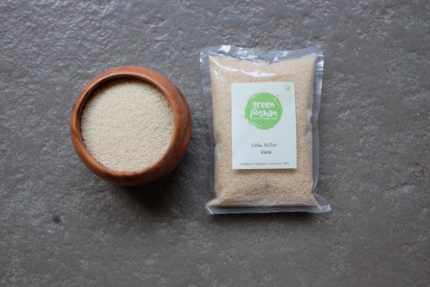
Little Millet (Varai) — 250g
₹55.00 -
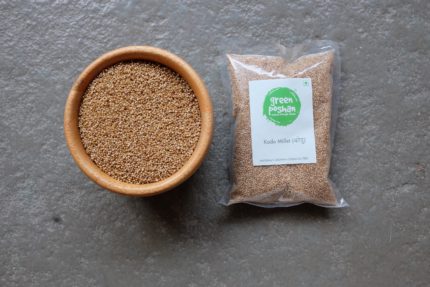
Kodo Millet — 250g
₹48.00
Side Effects & Precautions
- Sudden high fiber intake may cause bloating
- Contains antinutrients (phytates/tannins) → soak or cook well
- Proper storage is needed to avoid fungal contamination or mycotoxins
Cooking & Storage Tips
- Rinse and soak for better digestibility
- Cook like rice (1:2 grain-water ratio) or use in porridge, upma, roti
- Use airtight jars; store in a cool, dry place
- Try millets in baking, salads, upma, and khichdi for variety
FAQs
Q1: Millet in Hindi कैसे लिखा जाता है?
A: “मिलेट” या छोटे अनाज जैसे बाजरा, रागी आदि द्वारा दर्शाया जाता है.
Q2: क्या सभी मिलेट्स gluten‑free होते हैं?
A: हाँ, सभी प्रमुख मिलेट्स ग्लूटेन-मुक्त हैं और सीलिएक रोगियों के लिए उपयुक्त हैं.
Q3: कंगनी और अंडुआ में क्या फर्क है?
A: दोनों में पौष्टिकता समान होती है, लेकिन उपयोग और पाक पर विविधताएँ हैं. दोनो सेहतमंद विकल्प हैं.
Q4: मिलेट्स डाइबिटीज़ के लिए ठीक हैं?
A: जी हाँ, न्यून ग्लाइसेमिक इंडेक्स और उच्च फाइबर के कारण ये रक्त शर्करा नियंत्रित करने में मदद करते हैं.
Wrapping Up
Millets, known as छोटे अनाज in Hindi, are nutritional powerhouses. Whether it’s बाजरा, रागी, या कंगनी, each offers unique health benefits.
Especially Browntop Millet (अंडुआ) stands out as high-fiber, gluten-free, and easy to cook.
Explore Green Poshan’s full range of millets and recipe ideas—start your millet journey today!