

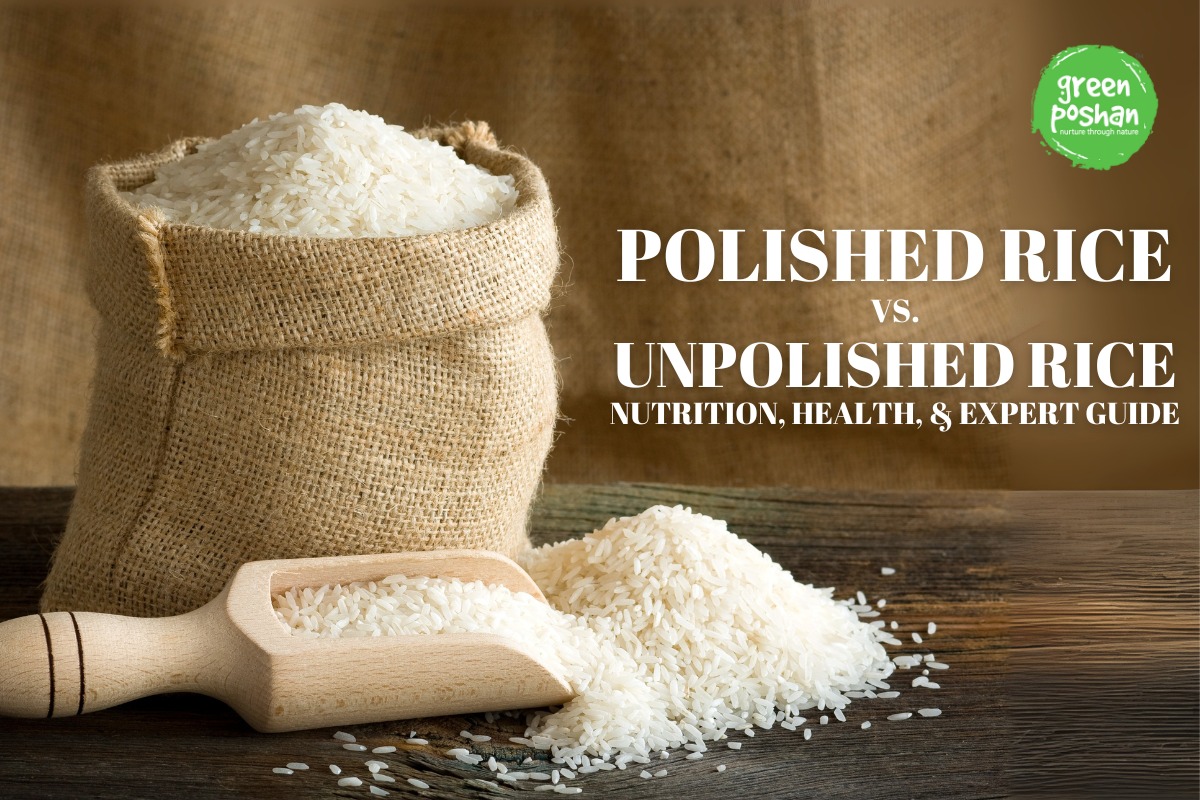
Are you torn between continuing with traditional polished rice or switching to nutrient-rich unpolished rice? With “polished rice vs unpolished rice” emerging as a key question for health-conscious families, this guide gives you the answers backed by science, expert insights, and practical tips so you can confidently make the healthiest choice.
What is Polished Rice?
- Definition: Polished rice, commonly known as white rice, undergoes milling that removes the husk, bran, and germ. This results in a bright white, smooth grain with a mild flavor and fluffy texture.
- Processing: While polishing extends shelf life and makes rice easier to cook, it strips away most dietary fiber, B vitamins, minerals, and essential fatty acids.
- Appearance & Use: Smooth, pearly, and favored for its ease in classic Indian and Asian recipes, from biryanis to fried rice.
What is Unpolished Rice?
- Definition: Unpolished rice (brown, red, black, hand-pounded) keeps the nutrient-dense bran and germ layers intact. It appears brownish or reddish and is slightly chewy and nutty in flavor.
- Types: Includes brown rice, red rice, black rice, and hand-pounded varieties used traditionally across India and Asia.
- Nutrition: Naturally rich in fiber, vitamins (particularly B family), minerals (magnesium, manganese, iron), and healthy oils.
Recommended products
-
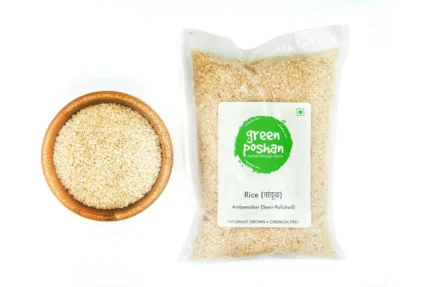
Ambemohor Rice — 1kg
₹160.00 -
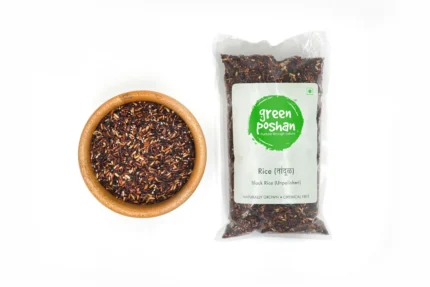
Black Rice — 500g
₹105.00 -
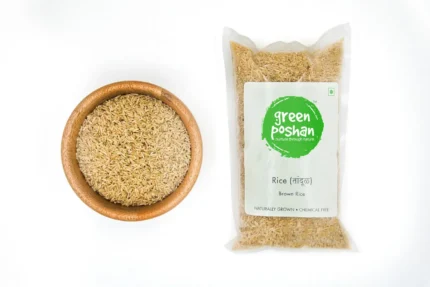
Brown Rice — 500g
₹65.00 -
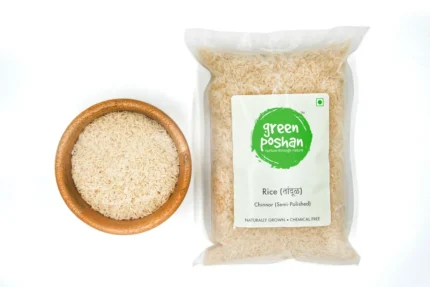
Chinnor Rice — 1kg
₹120.00 -
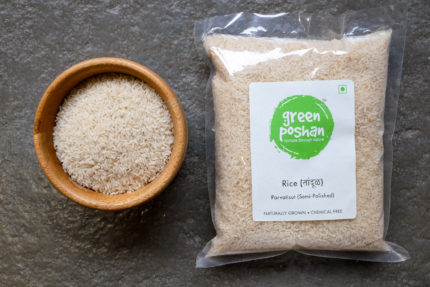
Parvatisut Rice — 1kg
₹140.00
Nutritional Comparison Table (Polished rice vs Unpolished rice)
| Nutrient | Polished Rice (per 100g) | Unpolished Rice (per 100g) |
| Calories | ~130 | ~110–120 |
| Protein | 2.5g | 3–3.5g |
| Dietary Fiber | 0.3g | 1.8–2g |
| Magnesium | 12mg | 40–45mg |
| Iron | 0.2mg | 0.6–1mg |
| Vitamin B1 (Thiamine) | 0.02mg | 0.18mg |
| Glycemic Index | High (70–73) | Lower (50–55) |
Values are average ranges. Always refer to specific product labels for accuracy.
Health Benefits & Risks
For Blood Sugar & Diabetes
- Polished Rice: High glycemic index causes quick blood sugar spikes, raising diabetes risk when eaten frequently.
- Unpolished Rice: Lower GI promotes gradual sugar release, helping to stabilize blood glucose and reduce diabetes risk.
For Digestion & Weight Control
- Unpolished Rice: Rich in dietary fiber, aiding digestion, promoting gut health, and offering longer satiety great for weight management.
- Polished Rice: Minimal fiber leads to faster hunger and less digestive support.
Micronutrient Deficiencies
- Polished Rice: Removing the bran and germ eliminates most B vitamins (especially thiamine and niacin), magnesium, and iron; over-reliance can lead to deficiencies like beriberi.
- Unpolished Rice: Retains natural vitamins and minerals beneficial for nerve, heart, and bone health.
Heart Health & Wellness
- Unpolished Rice: Antioxidants and magnesium lower cholesterol, support heart health, and provide anti-inflammatory benefits.
- Polished Rice: Lacks these, offering fewer preventative health effects.
Cooking, Taste, and Everyday Use
- Polished Rice:
- Fastest to cook; light, fluffy, and blends smoothly in curries and one-pot dishes.
- Softer, preferred by kids and often the default in family meals.
- Unpolished Rice:
- Slightly longer cooking time; requires soaking, but delivers rich, earthy flavor and a satisfying chew.
- Pairs well with hearty curries, salads, stir-fries, and can substitute in most rice recipes.
Pro Tips for Families
- Start with 50:50 blends of unpolished and polished rice to ease taste and texture adaptation.
- Soak unpolished rice for 30–60 minutes to reduce cooking time and enhance digestibility.
- Use flavorful stocks or spices as unpolished rice absorbs tastes beautifully.
Shelf Life, Storage & Cost
- Polished Rice: Long shelf life (up to 2 years); needs no refrigeration; cheaper due to easier mass processing.
- Unpolished Rice: Shorter shelf life; natural oils can go rancid store in airtight, cool conditions; price is higher as milling and yield are lower, but you get richer nutrition.
Cultural, Environmental, and Economic Context
- Cultural: Polished rice became more popular after industrialization for its convenience, yet unpolished rice remains a staple in many regional cuisines and rituals.
- Sustainability: Unpolished rice supports traditional farming, promotes biodiversity, and involves less chemical processing.
- Economic Impact: Choosing unpolished or local hand-pounded rice uplifts farmers and preserves indigenous varieties, curbing monoculture threats.
Expert Opinions & Scientific Findings
“Polished rice is stripped of most nutrients. Unpolished rice, with its fiber and vitamins, is a better choice for diabetes and long-term health.”
Dr. Vikas Jindal, Nutritionist, India Today Health Desk
“Whole grains like unpolished rice should make up the major portion of your carbohydrate intake for sustainable health, gut microbiota, and heart protection.”
Indian Dietetic Association, 2024 Guidance
“Frequent consumption of white rice is associated with a significant increase in type 2 diabetes risk, while brown/unpolished rice reduces that risk and offers protective nutrients.”
Harvard School of Public Health, summarized in The Lancet
Frequently Asked Questions
Is unpolished rice always healthier?
Yes, for most people. The fiber, vitamins, and minerals support better metabolic, digestive, and cardiovascular health.
Can diabetics eat polished rice in moderation?
Occasional consumption may be fine, but unpolished rice is strongly recommended for blood sugar management.
Does unpolished rice taste different?
It’s earthier and chewier. Start by blending to adapt your palate, then transition fully for best benefits.
Is brown rice the same as unpolished rice?
Brown rice is one type of unpolished rice. Others include red, black, and hand-pounded rice. All offer additional nutrients compared to polished white rice.
Summary Table: Quick Pros & Cons
| Aspect | Polished Rice | Unpolished Rice |
| Taste/Texture | Soft, mild | Nutty, chewy |
| Cooking Time | Short | Longer (needs pre-soak) |
| Nutrition | Lower | Higher (fiber, vitamins) |
| Shelf Life | Longer | Shorter (needs care) |
| Health Impact | Spikes blood sugar | Stabilizes sugar, supports heart |
| Cost | Lower | Higher |
Conclusion & Smart Choice
Switching to unpolished rice can give your meals greater nutrition, improve digestion, help prevent chronic disease, and support Indian farmers and traditional agriculture. If you want to upgrade your family’s health and wellness journey, unpolished rice is the smart, proven choice.
Take the step: Start mixing unpolished rice with your regular grains, explore regional varieties, and share the lifelong benefits with your family.
Consult your nutritionist or doctor for personalized advice before shifting your staple grains if you have existing health conditions or special dietary needs.