


Maida, commonly known as refined flour, is found in many Indian kitchens and forms the base of popular foods like samosas, breads, and sweets. But the big question remains: Is maida bad for health? If you have ever wondered about the impact of maida on your body, this blog will reveal the truth behind this white flour and why it may be the silent killer in your kitchen.
What Is Maida Made Of?
Before answering is maida bad for health, it’s important to understand what maida is made of. Maida is a highly refined wheat flour, produced by removing the bran and germ — the most nutritious parts of wheat. This leaves behind only the starchy endosperm, which is ground and bleached into a fine white powder. Unfortunately, this refining process removes most of the fiber, vitamins, and minerals, leaving maida nutritionally empty.
How Is Maida Made?
The process of making maida involves milling wheat grains and removing the outer layers. Chemical bleaching agents are often used to achieve its bright white color. These chemicals, combined with the stripping away of fiber and nutrients, contribute to maida’s poor nutritional profile.
Is Maida Bad for Health? The Hidden Dangers
So, is maida bad for health? The answer is yes, and here’s why:
- High Glycemic Index: Maida breaks down quickly into sugar, causing rapid blood sugar spikes. This can lead to insulin resistance, increasing the risk of type 2 diabetes.
- Lack of Fiber: The absence of fiber in maida affects digestion and can cause constipation and other gut issues.
- Weight Gain: Due to its high carbohydrate and low nutrient content, maida contributes to unhealthy weight gain and obesity.
- Digestive Issues: Without fiber, maida can disrupt your gut health and slow digestion.
- Increased Risk of Heart Disease: Eating a diet high in refined flour like maida increases your risk of heart-related problems.
These risks clearly show that is maida bad for health isn’t just a question — it’s a serious concern for anyone consuming maida regularly.
Why Is Maida Called the Silent Killer?
Maida earns the name “silent killer” because it quietly sneaks into your daily diet through common foods like breads, cakes, biscuits, and snacks. Over time, it harms your health, and you may not even notice the damage until serious health problems develop after years of regular consumption
What Are Healthier Alternatives to Maida?
If you are asking is maida bad for health, then switching to healthier alternatives is the best step you can take. At Green Poshan, we promote natural, nutrient-rich flours that nourish your body and support overall wellness:
- Whole Wheat Flour (Atta): Packed with fiber and essential nutrients, whole wheat is a great substitute for maida.
- Millet Flours (Bajra, Jowar, Ragi): Rich in antioxidants and minerals, millets support digestion and help manage weight.
- Besan (Chickpea Flour): High in protein and fiber, besan is perfect for nutritious snacks and meals.
- Amaranth Flour (Rajgira): Gluten-free and loaded with nutrients, amaranth flour helps maintain heart health and metabolism.
Related Products
-
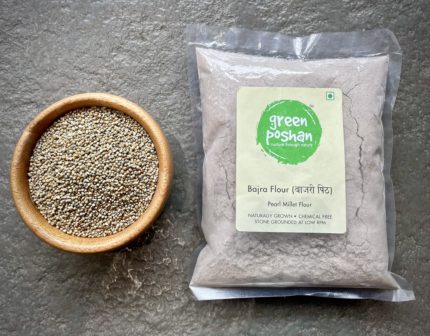
Bajra Flour — 500g
₹50.00 -
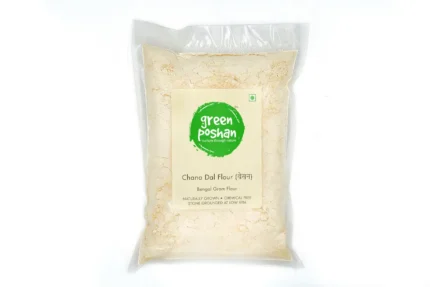
Chana Dal Flour — 500g
₹105.00 -
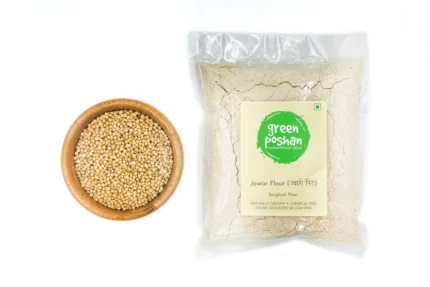
Jowar Flour — 1kg
₹95.00 -
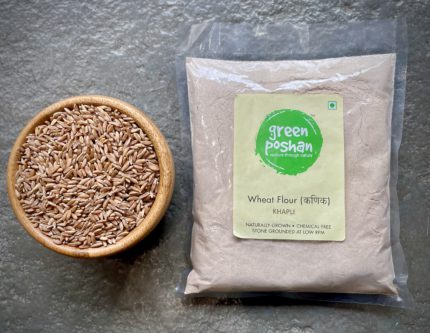
Khapli Wheat Flour — 1kg
₹160.00
Visit Green Poshan to explore these natural flours and make the healthy switch today.
Take Charge of Your Health
To answer the question is maida bad for health — yes, it is, especially when consumed regularly in large quantities. Choosing unrefined, natural flours over maida can protect you from many lifestyle diseases and improve your overall well-being.
Don’t let maida be the silent killer in your kitchen. Embrace the wholesome, chemical-free alternatives from Green Poshan and nurture your family’s health the natural way.